
SOS Yucatán
Mega farms on the peninsula
The closure in Santa María Chí did not stop the model, the exploitation and the impacts; they only changed territory
While we celebrate the closure of the mega-pig farm in Santa María Chí, the opaque relocation of 41,000 animals does not resolve the environmental devastation or the suffering caused by this industry...”
— Fernando Gallart, Executive Director of Mercy For Animals Latin America
MEXICO CITY, MEXICO, October 7, 2026 / EINPresswire.com / -- Mercy For Animals demands that the closure of the mega-farm in Santa María Chí set a precedent, not an exception. To understand why this closure does
not solve the problem, we must look at the timeline of an industry that, far from disappearing, is merely relocating.The past: Since 2023, Mercy For Animals has been documenting the systemic damage that mega-farms have caused on the peninsula. The findings accumulated over these years are as follows:
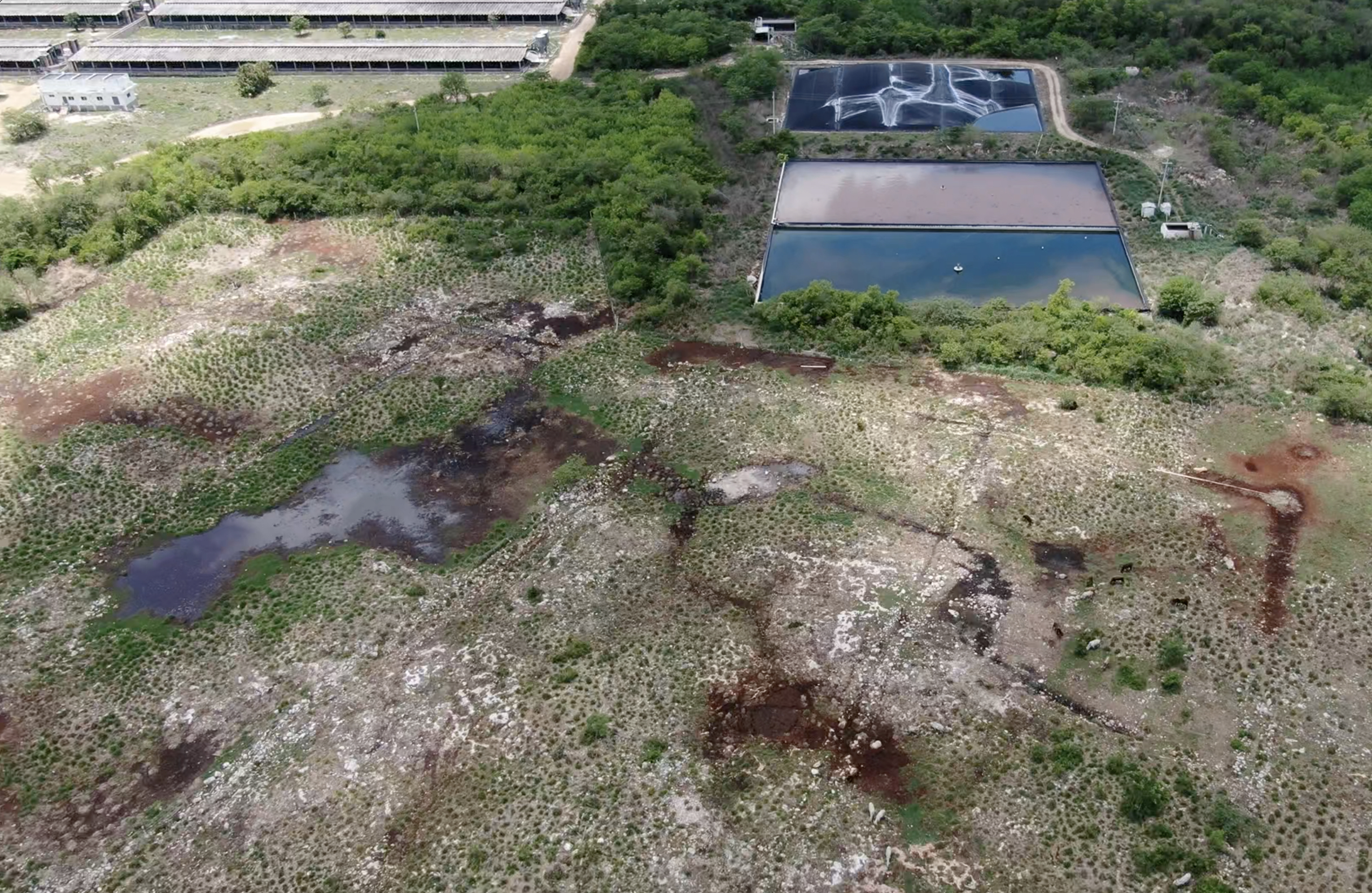
- We identified the existence of more than 800 potential farms, using the same geospatial analysis methodology employed by SEMARNAT (Mexico's Ministry of Environment and Natural Resources), some of which house up to 100,000 pigs each. We also flew over the Mayan Jungle with a drone to document the facilities of these farms, whose millions of liters of polluting waste are dumped into enormous open-air pits.
- We documented the potential leaks from the biodigesters, which were clearly overflowing with waste, endangering aquifers and cenotes, including five of the eight protected Ramsar sites in the area.
- We exposed the conditions in which pigs were kept at two farms, the first a supplier for Kekén and the second for Grupo Fogysa, where we found overcrowding, deficiencies in cleanliness and hygiene, animals with untreated injuries, carcasses within the facilities, and sows confined in gestation crates so small they could barely move, which can cause them stress and mental deterioration.
The current situation: The closure of the mega-farm in Santa María Chí represents progress, but it is insufficient. Local and national media have documented that the pork industry has responded by relocating thousands of pigs to other communities, such as Kikteil and Molas, prioritizing production for export over animal welfare and the rights of the affected populations. Furthermore, it has not yet been publicly reported whether the animals were transported in accordance with applicable protocols and legal provisions.
Animal welfare refers to the physical and mental state of animals in relation to the conditions in which they live. Ensuring it involves reviewing production, transportation, and handling practices to reduce suffering and protect their needs.
The future: Given this scenario, Mercy For Animals proposes a roadmap with three key actions to prevent further environmental impacts, protect communities, and move toward higher standards of animal welfare:
- Conduct an updated census of all pig farms operating in the state;
- Apply sanctions to those with any irregularities and close down clandestine farms;
- Halt the expansion of mega-farms and permanently close facilities that violate environmental and animal welfare legislation.
Beyond the environmental damage, it is imperative to remember that each of the thousands of animals confined in these facilities is an individual capable of feeling pain, fear, frustration, and anguish. In these "animal factories," as the UN has called them, pigs are deprived of their basic needs and subjected to extremely cruel practices.
“While we celebrate the closure of the mega-pig farm in Santa María Chí as a first step, the opaque relocation of 41,000 animals does not fundamentally resolve the environmental devastation or the suffering this industry generates on the peninsula. Without transparency or real oversight from the authorities regarding the destination and conditions of these pigs, the problem is simply being relocated, opening the door to even worse overcrowding, new hotspots of ecocide, and a direct impact on the communities of Yucatán. Animal welfare, environmental health, and the protection of our territories must be a priority: we demand that the authorities act with complete transparency now.” - Fernando Gallart, Executive Director of Mercy For Animals Latin America.
The organization demands that the Government of the State of Yucatán, PROFEPA (Federal Attorney for Environmental Protection), and SADER (Ministry of Agriculture and Rural Development) promote a transformation of the pig production model that prioritizes the protection of animals, the environment, and the rights of communities. To that end, Mercy For Animals is demanding a census of all farms in the state, fines for illegal operations, and the permanent closure of those operating outside the law.
Visit our website sosyucatan.org to learn more about this campaign.

No comments:
Post a Comment