
Meditech 2026
Meditech 2026 will bring together from July 28 to 31 the latest innovations in digital health, robotics and AI that are already transforming hospitals in Colombia.
BOGOTA, CUNDINAMARCA, COLOMBIA, July 15, 2026 / EINPresswire.com / -- For years, medical conferences have proclaimed that digitalization would boost healthcare and health systems. In 2026, that phase has ended. Hospitals in Latin America are making
concrete investments to bring the medical technology from modernization plans directly to emergency rooms and operating theaters. This leap toward real-world implementation is the focus of the ninth edition of Meditech, which opens its doors from July 28 to 31 at Corferias.Today, pediatric hospitals in Colombia face a paradox: fewer and fewer children are being born. According to DANE (Colombia's National Administrative Department of Statistics), the country had 20,000 fewer births in 2025 than the previous year. “At the same time, the elderly, who previously died at age 63, now have a life expectancy of 79 and live with hypertension, diabetes, and other chronic illnesses that require constant monitoring. Hospitals must understand this context in order to develop their infrastructure,” stated Juan Carlos Giraldo, Director of the Colombian Association of Hospitals and Clinics (ACHC).
“The center of any healthcare system is not the institution, but the person. And today, that person navigates an ecosystem of options: outpatient care, home care, telemedicine, remote monitoring. All these tools already exist. What we must understand is how to integrate them,” Dr. Giraldo concluded.
To meet these challenges through technological adoption, the Meditech 2026 agenda will highlight some tools already operating within the healthcare system.
Real-time interoperability: Cloud-based platforms allow an emergency room specialist to instantly access tests a patient underwent a year ago in another city. This accelerates diagnosis, eliminates repeat testing, and reduces out-of-pocket expenses for the patient.
Internet of Medical Things (IoMT): Biometric patches and connected infusion monitors alert nursing stations to potential decompensation hours before the patient presents symptoms, transforming ICUs into centers for predictive prevention.
Surgical robotics. Robotic arms and image-guided navigation systems are enabling minimally invasive orthopedic and neurological surgeries that reduce recovery times from weeks to days, freeing up beds more quickly.
To ensure executives have firsthand knowledge of the latest innovations for the sector, Meditech features the CEATH Arena, a space dedicated to knowledge and innovation. Here, the CEATH Star finalists will present their most recent developments, technologies, and solutions for the healthcare sector in a pitch format.
This year, 28 exhibiting companies submitted 36 innovative products and/or services, from which 9 finalists will be selected across the categories of Innovation, Sustainability, and Quality. During the trade show, the finalists will have the opportunity to present their proposals to visitors and industry experts in the CEATH Arena, fostering knowledge exchange and showcasing the most outstanding innovations.
In addition to competing for the jury's recognition in their respective categories, the finalists will compete for the "Public Recognition", an award that will be given by vote of the attendees, highlighting the solution that generates the greatest impact and interest among the visitors of the fair.
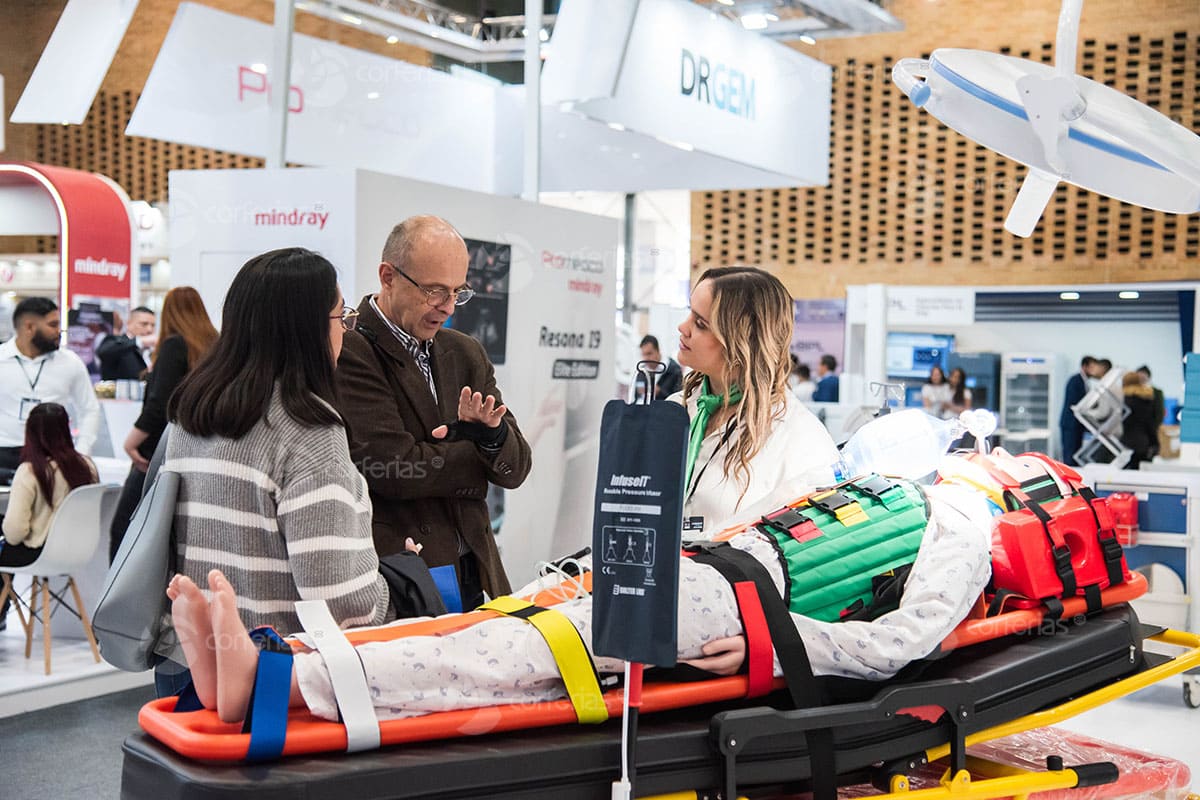
“Reading about medical equipment in a catalog is very different from seeing it integrated and functioning in a real-world setting. With the support of Messe Düsseldorf, Meditech is not a static exhibition—it’s a space where visitors can see how physicians interact with the displays, how data flows, and how technology reacts in milliseconds during a clinical crisis,” said Ana Garibello, Meditech Project Manager at Corferias.
Decision-makers, administrators, and medical personnel can register at feriameditech.com.

No comments:
Post a Comment