
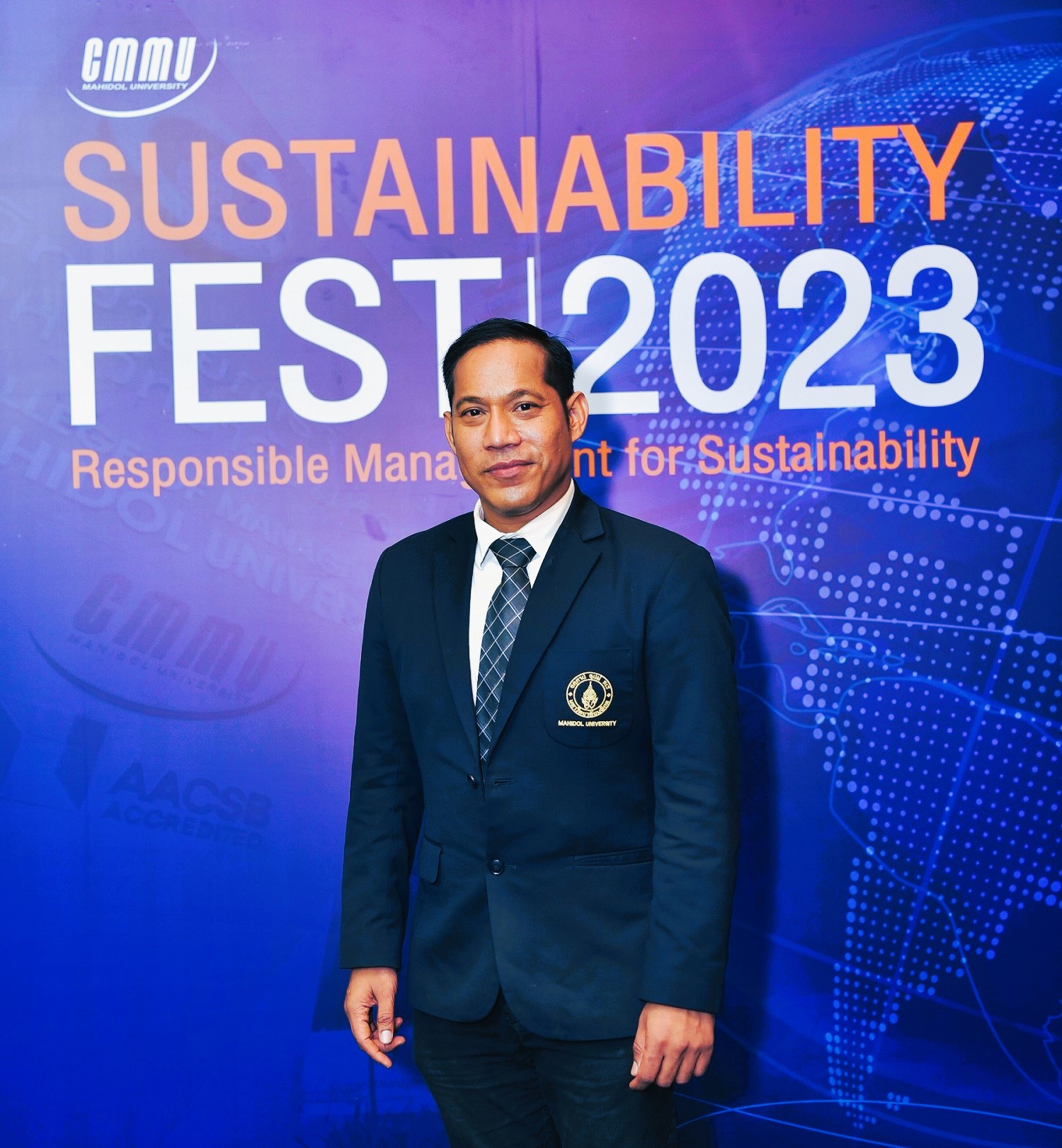
Prof. Natt Pimpa from CMMU
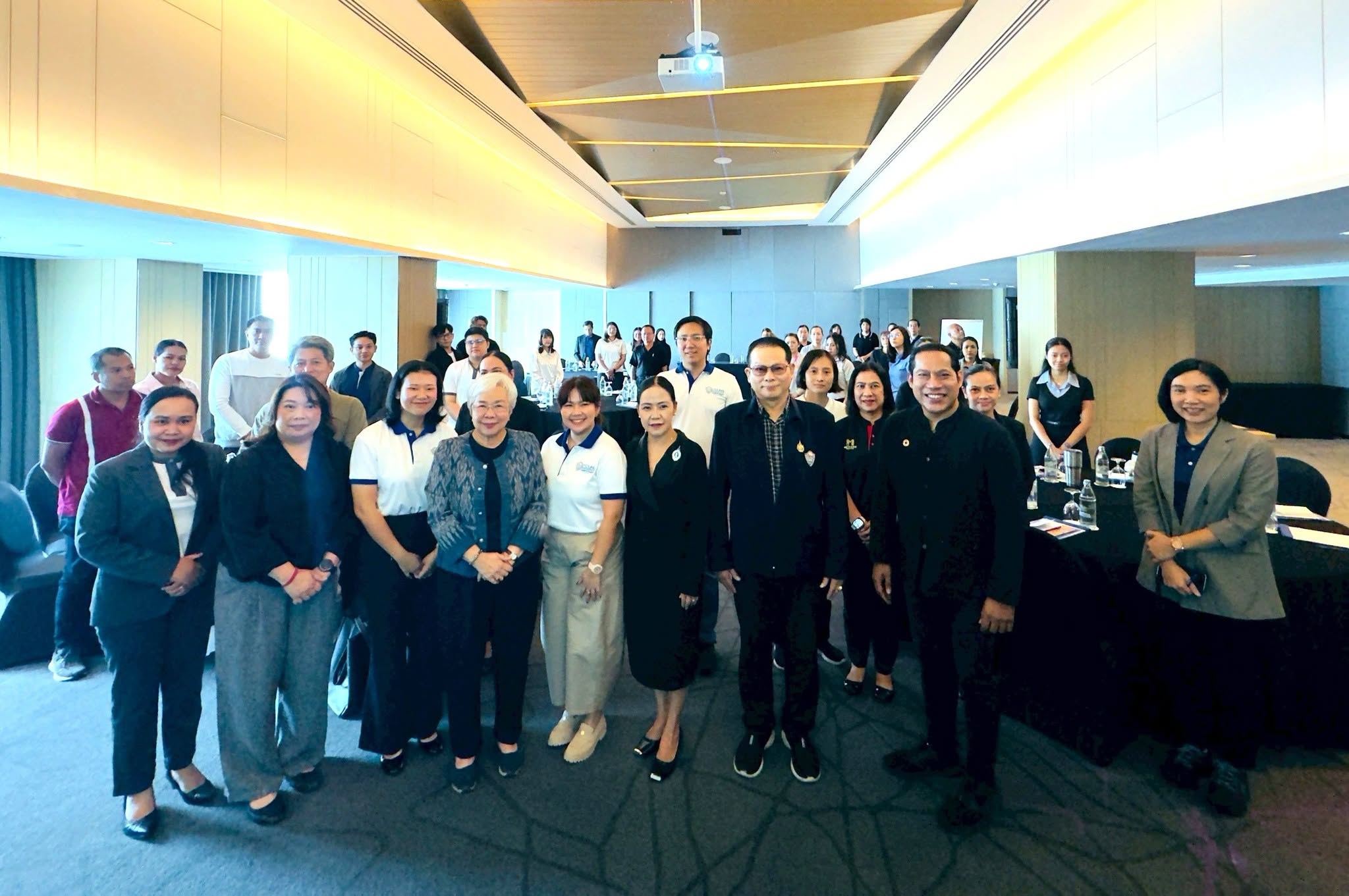
BHR Training for Thai SMEs
While Thai businesses are increasingly adopting human rights standards, gaps remain between corporate policies and workers' lived experiences.
BANGKOK, BANGKOK, THAILAND, July 28, 2026 /EINPresswire.com/ -- As global expectations around responsible business continue to rise, Business and Human Rights (BHR) has emerged as one of the defining issues shaping corporate governance. In
Thailand, leading companies are increasingly adopting international human rights standards, yet significant gaps remain between corporate commitments and the lived experiences of vulnerable workers.In his latest research, Dr. Nattavud Pimpa, Associate Professor at the College of Management, Mahidol University, examines how Thailand’s leading corporations are implementing the United Nations Guiding Principles on Business and Human Rights (UNGPs). Combining an analysis of the country’s top listed companies with participatory research involving migrant construction workers, his study provides a unique perspective on both corporate policy and everyday reality. We spoke with Dr. Pimpa about why Business and Human Rights is becoming central to sustainable management and what role business schools should play in preparing tomorrow’s leaders.
Interviewer: Your research comes at a time when Business and Human Rights is receiving growing international attention. Why has this become such an important issue?
Dr. Pimpa: The role of business has changed dramatically over the past decade. Companies are no longer judged solely by their financial performance. Investors, customers, regulators, and society increasingly expect businesses to respect human rights throughout their operations and supply chains. I believe this is how people of this generation look at business practices.
Well, business and human rights is about ensuring that economic growth never comes at the expense of human dignity. It asks a simple but powerful question: How do businesses create value while protecting the rights of workers, communities, consumers, and the environment?
The United Nations Guiding Principles provide a practical framework through three pillars—the state’s duty to protect, the corporate responsibility to respect human rights, and access to effective remedy. These principles have become the global benchmark for responsible business conduct and are increasingly influencing legislation, ESG reporting, and investment decisions worldwide.
Interviewer: I heard about your current research on this issue. What did your research reveal about Thailand’s progress?
Dr. Pimpa: I need to thank the team members and leaders from the Office of the National Human Rights Commission of Thailand, who raised this issue when I met them in mid-2025. Overall, I am optimistic. Many leading Thai companies have made significant progress. Human rights policies are becoming more common, board-level oversight has improved, and companies are increasingly conducting Human Rights Due Diligence and integrating human rights into supplier management. However, policy is only the first step.
One of the most important findings of our research is the persistent gap between what companies report and what vulnerable workers actually experience. Through our photovoice project, migrant construction workers documented issues that make me question the adoption of UNGPs by Thai companies. Certain aspects, such as poor living conditions, occupational health risks, and limited access to grievance mechanisms, remain key issues. These realities remind us that human rights cannot be evaluated only through sustainability reports—they must also be assessed through the voices of those most affected.
Interviewer: Your study highlights migrant workers repeatedly. Why are they central to the discussion?
Dr. Pimpa: Migrant workers are essential to Thailand’s economy, particularly in sectors such as construction, agriculture, seafood processing, and manufacturing. Yet they often remain the least visible stakeholders.
Many face language barriers, uncertain legal status, limited bargaining power, and restricted access to grievance mechanisms. These structural challenges make them particularly vulnerable to human rights abuses.
If businesses genuinely want to respect human rights, they must actively engage with vulnerable groups rather than assuming that formal policies alone provide adequate protection.
Interviewer: Many companies already conduct audits and compliance checks. Why isn’t that enough?
Dr. Pimpa: Because compliance does not necessarily mean protection.
One of the strongest messages from our research is that Human Rights Due Diligence should never become a checklist exercise. Effective due diligence requires continuous learning, stakeholder dialogue, and context-specific risk assessment.
Human rights risks change over time. They differ across industries, communities, and countries. Companies therefore need to move beyond standardized reporting and develop systems that genuinely listen to workers, suppliers, local communities, and civil society organisations.
Meaningful stakeholder engagement is not simply good governance—it is good management.
Interviewer: What role should business schools play in advancing Business and Human Rights?
Dr. Pimpa: Business schools have an enormous responsibility because we educate future business leaders.
Traditionally, management education focused on finance, marketing, strategy, and operations. These disciplines remain essential, but today’s leaders also need to understand ethics, human rights, stakeholder engagement, and responsible governance.
I believe business schools should integrate Business and Human Rights across the curriculum rather than teaching it as a standalone topic. Students should learn how to conduct Human Rights Due Diligence, assess social risks, engage with affected communities, and incorporate human rights into strategic decision-making.
Equally important is experiential learning. Students should work with businesses, NGOs, labour organisations, and local communities to understand that human rights are not abstract concepts—they are lived experiences that influence people’s everyday lives.
If we want more responsible businesses tomorrow, we must educate more responsible managers today.
Interviewer: Finally, what message would you leave for business leaders?
Dr. Pimpa: Human rights should never be viewed as an additional compliance burden. They are fundamental to sustainable business success. Companies that respect human rights build stronger relationships with employees, customers, investors, regulators, and communities. They reduce business risks, strengthen organisational resilience, and create long-term value.
Thailand has already taken important steps forward. The next challenge is moving beyond compliance towards genuine respect for human dignity. That transformation will require collaboration among businesses, government, civil society, and universities.
Ultimately, sustainable business is not simply about protecting profits—it is about protecting people.
His research paper will be feartured in the next volume of Frontires in Sustainability Journal (Q1)

No comments:
Post a Comment