
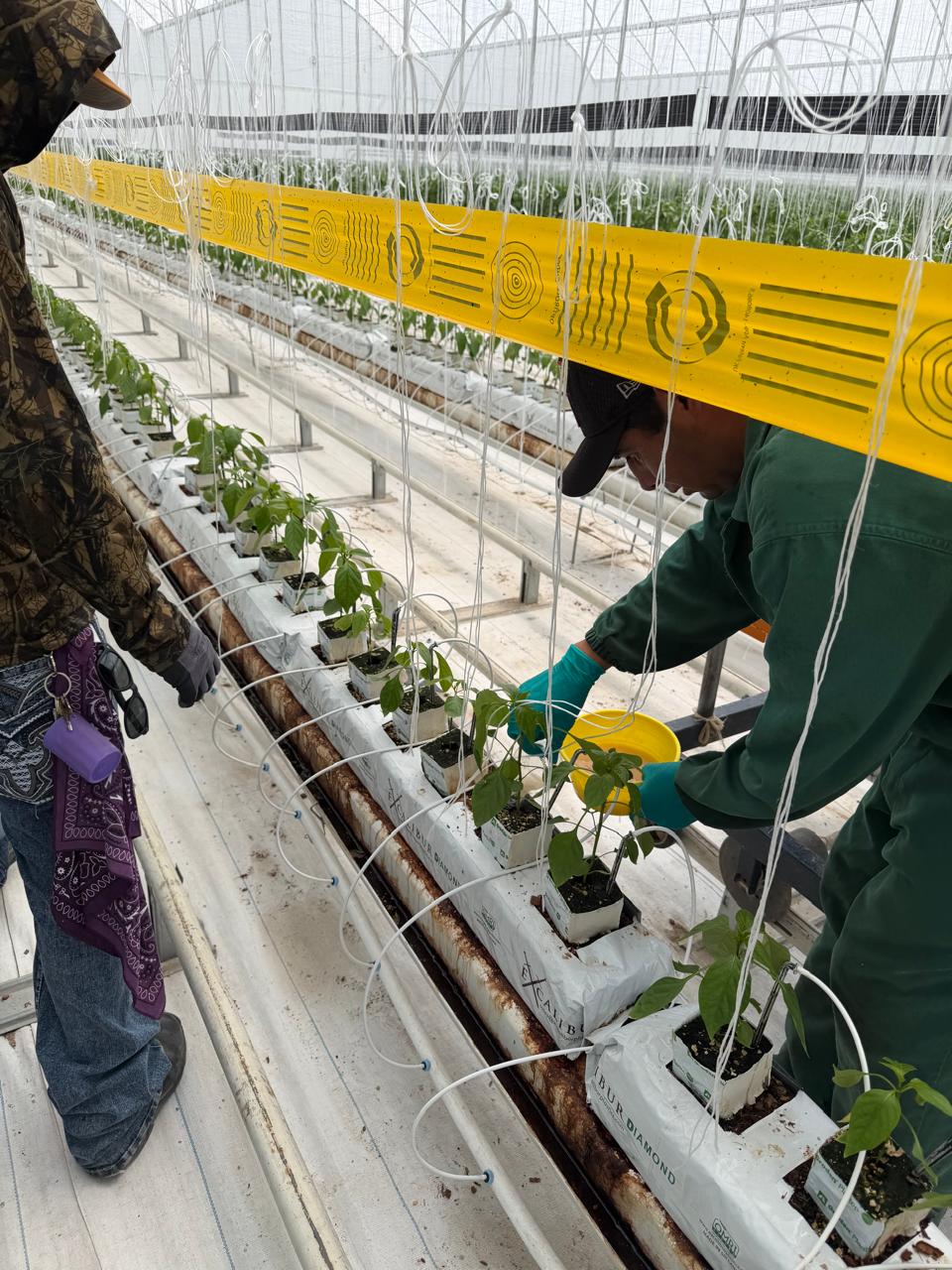
Kelpak application to plants
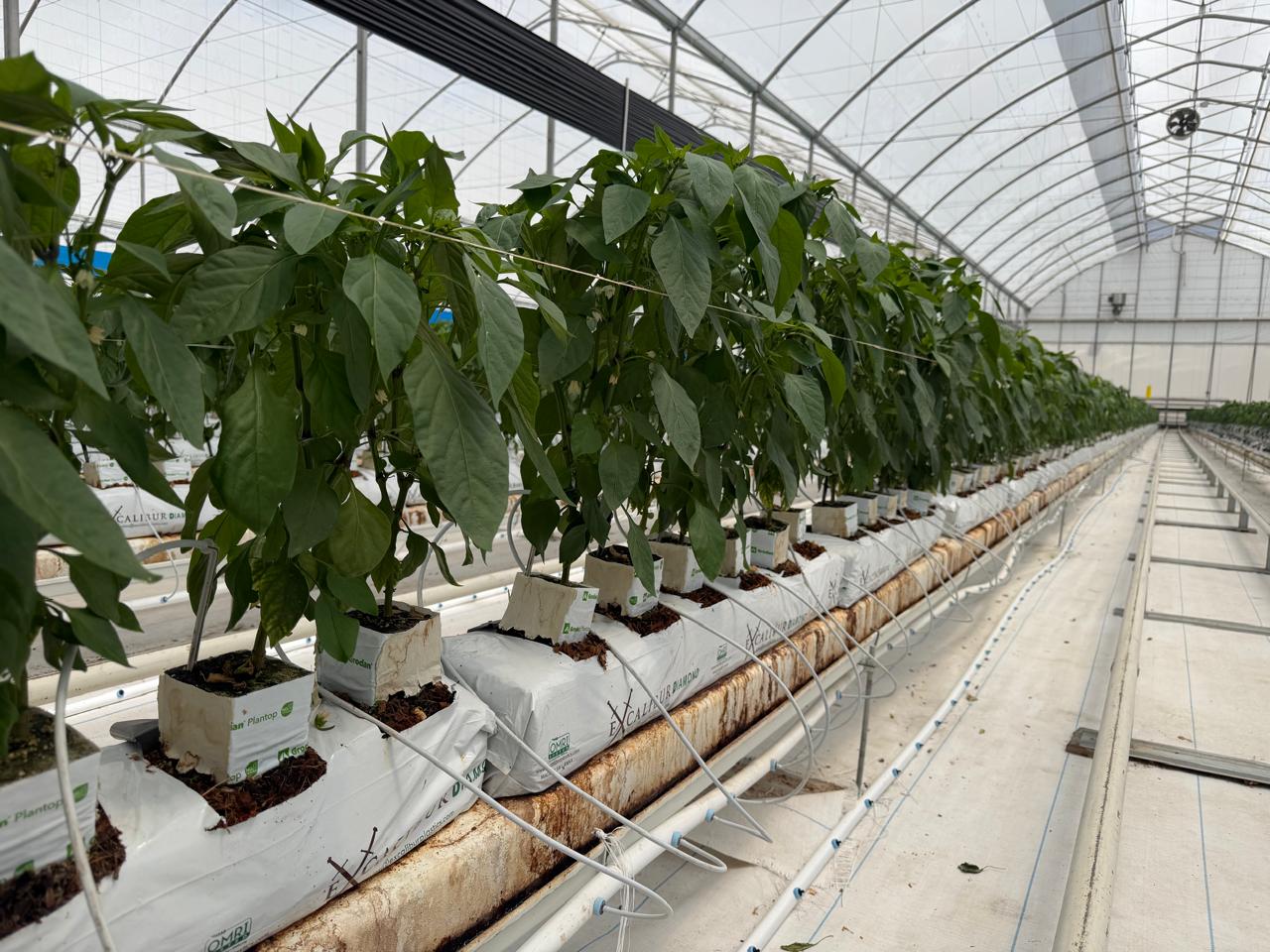
Result of Kelpak application
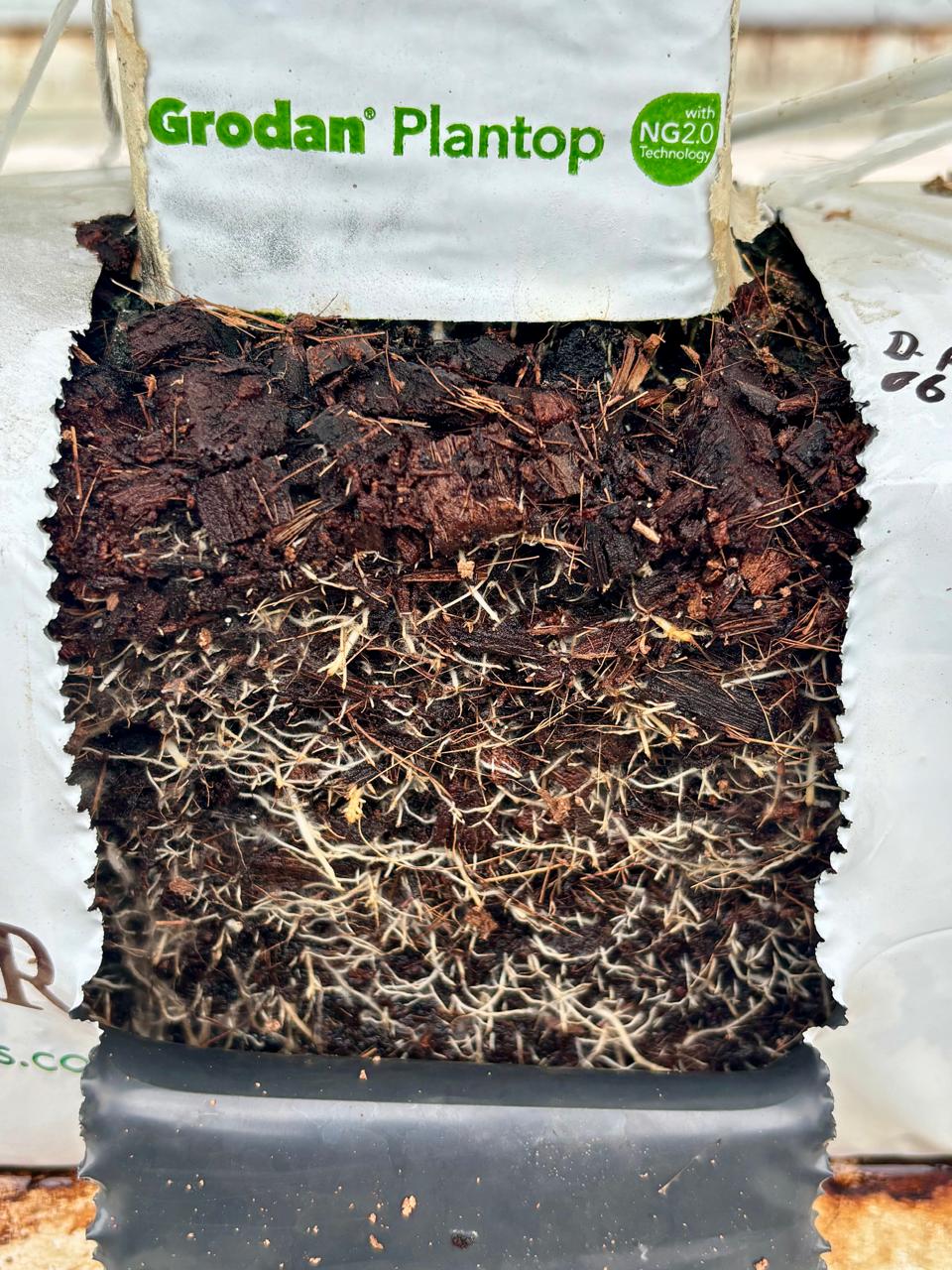
Root formation with Kelpak application
Kelpak helps preserve naturally occurring plant compounds; Mexican growers can reduce the impact of transplant stress and strengthen early crop establishment.
What we are seeing in commercial conditions is that growers who use Kelpak at transplanting are giving their crops a stronger foundation from day one.”
— says Jorge Gutiérrez, Technical Manager México at Kelpak
MEXICO CITY, MEXICO, August 19, 2026 /EINPresswire.com/ -- Mexico's horticultural sector is one of the most productive in the world. With more than 49,000 hectares of tomato, 150,000 hectares of chilli, 63,000
hectares of onion and 7,800 hectares of cucumber (SIAP, 2025), the country supplies its domestic market and some of the most demanding export destinations on the planet.Behind that scale lies a challenge that many growers know well, but few talk about openly - the days immediately after transplanting.
When a crop is most vulnerable
Most vegetable production in Mexico begins in greenhouse nurseries, where uniform, healthy seedlings are raised under controlled conditions. The transplant to open fields or production structures marks a turning point. Root systems are disturbed. Plants face sudden exposure to high radiation, temperature extremes and reduced capacity to absorb water and nutrients.
The result is post-transplant shock, a period of interrupted growth that can last several days and carry consequences well beyond the establishment phase.
Every day of delayed establishment reduces vegetative development, limits light interception and increases susceptibility to root and stem disease.
A biostimulant built for this challenge
Kelpak, derived from Ecklonia maxima through its patented Cellburst cold-extraction process, which helps preserve naturally occurring plant compounds, is helping Mexican growers to reduce the impact of transplant stress and strengthen early crop establishment. Its natural plant compounds support secondary root development, improve water and nutrient uptake and help plants recover from physiological stress more quickly.
Commercial trials conducted in Mexico, including a recent trial with substrate-grown plants in Guanajuato, have shown measurable benefits at establishment. Treated plots have demonstrated better development of apical meristems, reflected in a 42% increase in root mass and plant size, with establishment rates consistently higher than untreated controls.
“In Mexico, we have an extraordinary horticultural area with enormous productive potential,” says Jorge Gutiérrez, Technical Manager México at Kelpak. “What we are seeing in commercial conditions is that growers who use Kelpak at transplanting are giving their crops a stronger foundation from day one. Better roots at establishment means better performance throughout the cycle, and that translates directly into yield and quality at harvest.”
What the research shows
The results from Mexico are supported by a growing body of international trial data. Trials conducted by INIA Chile demonstrated yield increases of close to 42% in cucumber and 28% in squash through a simple tray immersion at transplanting. Tomato studies reported a 22% increase in yield, 23% improvement in fruit weight and 14% greater firmness, all traceable to stronger initial establishment.
In South Africa, trials on Capsicum annuum recorded 25% more commercial fruits per plant and a 15% improvement in average fruit weight compared to untreated controls (Arthur, Stirk & Van Staden, 2003). More recent research on iceberg lettuce demonstrated a synergistic effect between cultivation methods and seaweed-based biostimulation, reinforcing the role of Kelpak in sustainable production systems (Pantović et al., 2025).
Application in practice is straightforward. Seedling immersion at 2%, drench or irrigation applications at 1-2% in the first days after transplanting, and foliar applications of 2 L/ha during the vegetative stage can all be integrated into existing management programmes without disrupting standard logistics.
A tool for growers who cannot afford a slow start
The window around transplanting deserves the same attention as any other point in the production cycle. Kelpak offers Mexican vegetable growers a research-backed option to reduce the cost of transplant stress and build a stronger foundation for the season ahead.

No comments:
Post a Comment