
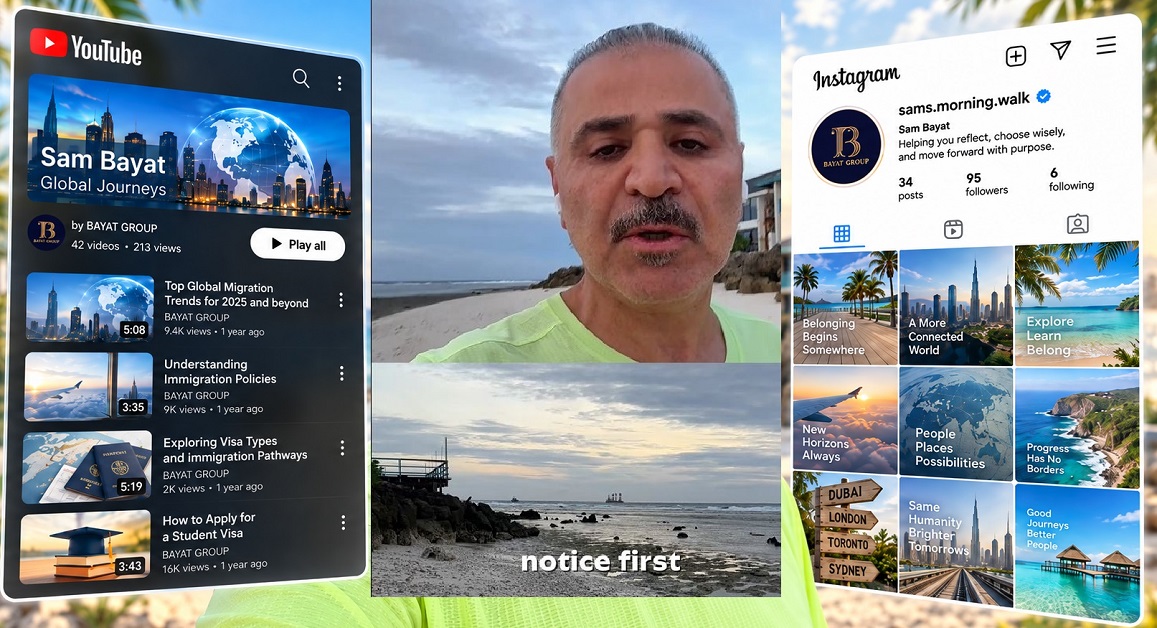
Sam's Morning Walk reaches the Pacific: stills from the Naoero episode, against the Instagram and YouTube pages where Sam Bayat publishes his video work
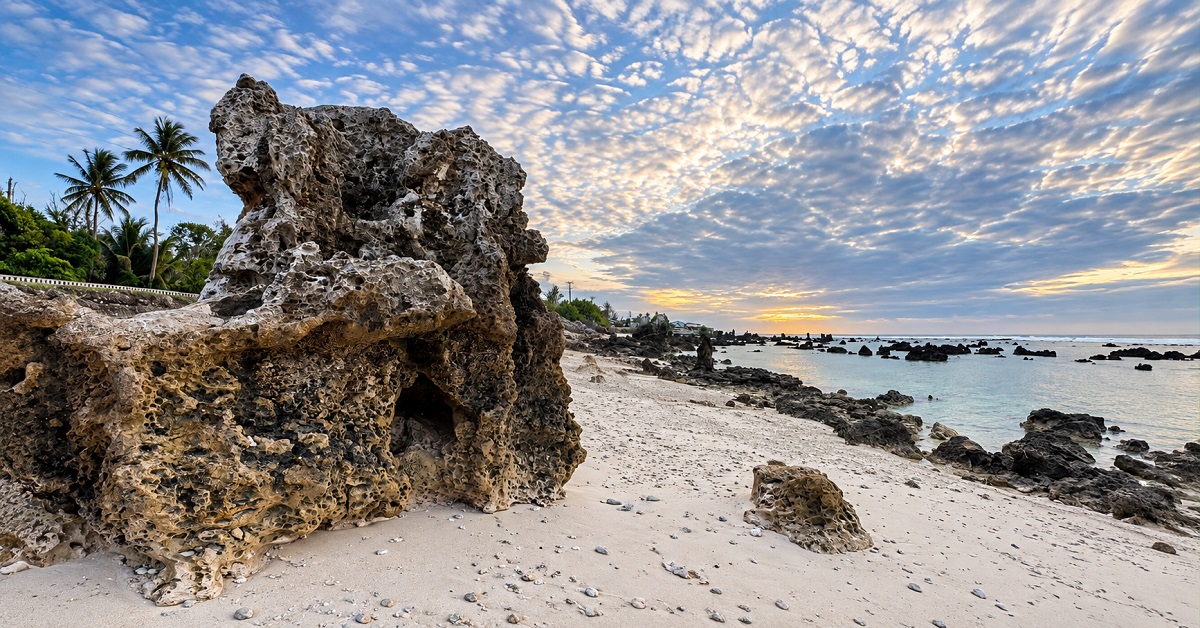
Naoero, formerly Nauru, before sunrise. Sam's Morning Walk is filmed early each morning, except Sundays
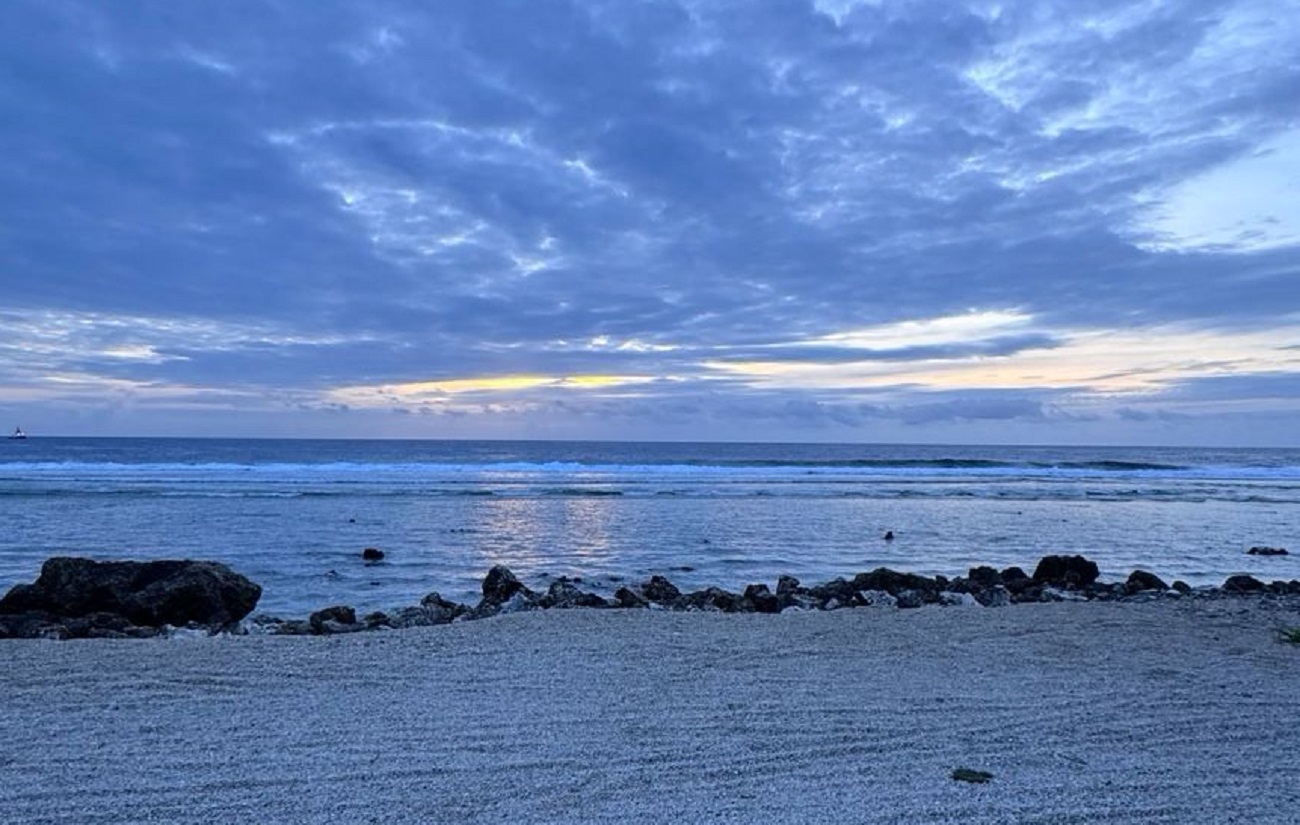
Under the Naoero (Nauru) Economic and Climate Resilience Citizenship Program, citizenship by investment contributions fund climate adaptation projects. Bayat Immigration Services is a licensed agent of the programme.
'Sam's Morning Walk', filmed in the Pacific nation weeks after its renaming. Bayat also publishes the YouTube series Global Journeys: Navigating Immigration.
NAURU, NAURU, September 9, 2026 /EINPresswire.com/ -- Sam Bayat, founder of the Dubai-based migration law practice Bayat Group, has published the latest episode of his daily video series from Naoero, the Pacific island state known internationally as Nauru
until it reclaimed its original name this year. The series is also now taking questions from viewers, and selected ones will be answered on camera.The series, Sam's Morning Walk, has run since early August 2026 on Instagram. Each episode is a short reflection filmed on a phone in a single take while walking, released with just minor editing by adding more images, and paused on Sundays. Earlier episodes were recorded in Istanbul, Bucharest, Bran and Dubai.
The Naoero episode opens on an evening spent over kava, a drink made from the ground root of a plant and shared at a table rather than over dinner, and on what Bayat took from a first night in an unfamiliar country.
"Maybe belonging isn't only about changing ourselves," he says in the episode. "Sometimes it begins by discovering what we already share."
The location carries its own version of that question. Naoero's parliament passed a constitutional amendment in May 2026, and President David Adeang confirmed the change on 30 July 2026. No referendum was held. Adeang said the name "is already the identity of the people, is on the national coat of arms, and spoken in the community." Citizens are dei-Naoero. The name in use internationally for more than a century was an adaptation made by outsiders who found the original difficult to pronounce.
Bayat, who has advised on cross-border mobility for more than three decades, says the parallel was not planned.
"Global mobility is about much more than passports and visas. Those are only the tools," he says. "What we are really talking about is opportunity. Education. Freedom. And hope."
The episodes have been circling one idea from different directions. An earlier walk closed on a line that has since become something of a refrain in the series: carry your roots, but do not carry your walls. The episode filmed the day before Bayat reached Naoero turned that line back on its author.
"Which are my roots, the values, principles, heritage, and beliefs that genuinely belong to me," he asks in that episode, "and which are walls, habits, fears, prejudices, wounds, or defenses that I have mistaken for who I am?"
His provisional answer is that the distinction matters more than the outcome. "Maybe authenticity is not about preserving ourselves," he says. "Maybe it is about evolving without erasing ourselves."
The Naoero episode ends, as the series does, on a question rather than a conclusion: when people meet others who seem very different from them, do they look first for what separates them or for what they already share?
DISCLOSURE
Bayat Group confirms that Bayat Immigration Services is one of the agents licensed by the Naoero Program Office in connection with the Naoero Economic and Climate Resilience Citizenship Program, under which contributions support climate adaptation projects in the country.
No programme is named in any episode of the series, no service is offered, and no client is discussed. Recent instalments have dealt with how easily a good story hardens into accepted fact, how to tell a competent adviser from a merely confident one, and how much of themselves people should change in order to belong somewhere new.
Bayat has described the format as deliberately unfinished. "These walks aren't where I find my answers," he says. "They're where I make enough silence for the right questions to show up."
Sam's Morning Walk is published on Instagram.
Bayat is also publishing “Global Journeys: Navigating Immigration," a video series on the changing landscape of international migration, published on the Bayat Group’s YouTube channel.
ABOUT BAYAT GROUP
Bayat Group is an international migration, residence, and citizenship law practice founded by Sam Bayat in Dubai in 1993, where he opened a Canadian legal practice. The firm advises private clients and families on residence and citizenship by investment, known in the sector as RCBI, together with business migration and cross-border planning. Sam Bayat is a Quebec (Canada) licensed attorney and a past president of the International Section, Quebec, of the Canadian Bar Association.

No comments:
Post a Comment