
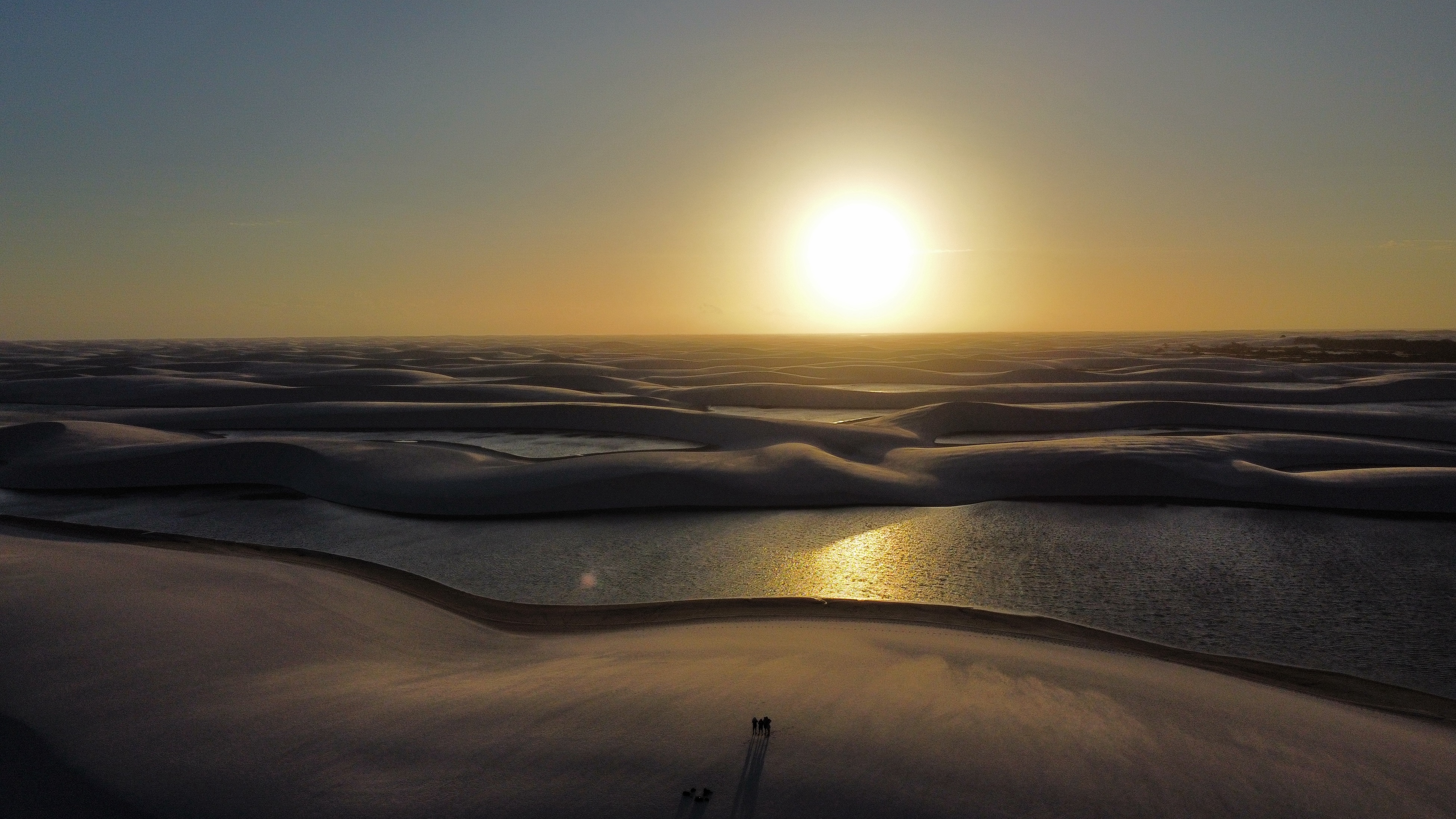
Sunset over the dunes and lagoons of Lençóis Maranhenses, a UNESCO World Heritage Site in Brazil.
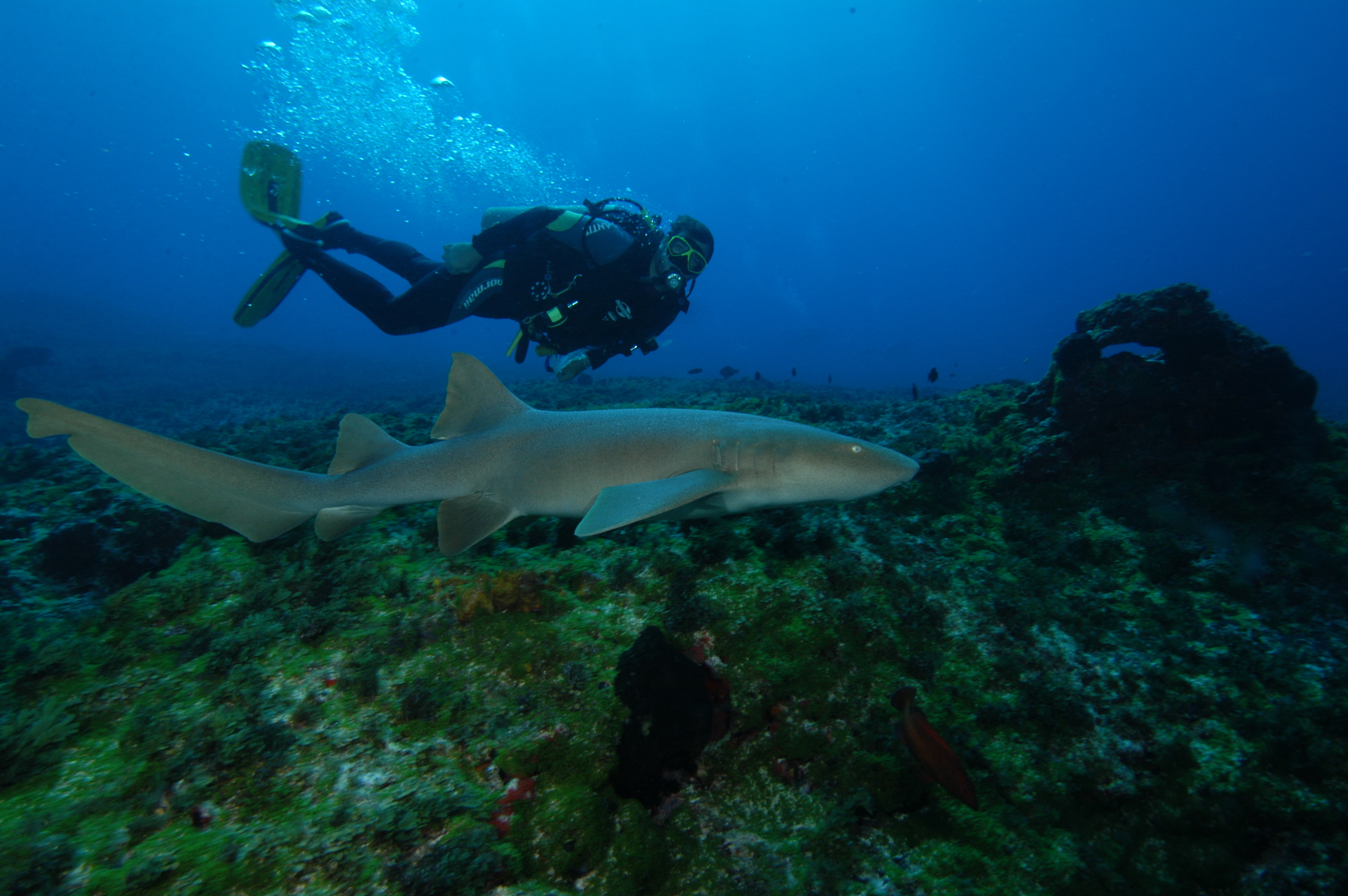
Diver explores the vibrant marine life of Fernando de Noronha, home to one of the most stunning diving spots in Brazil.
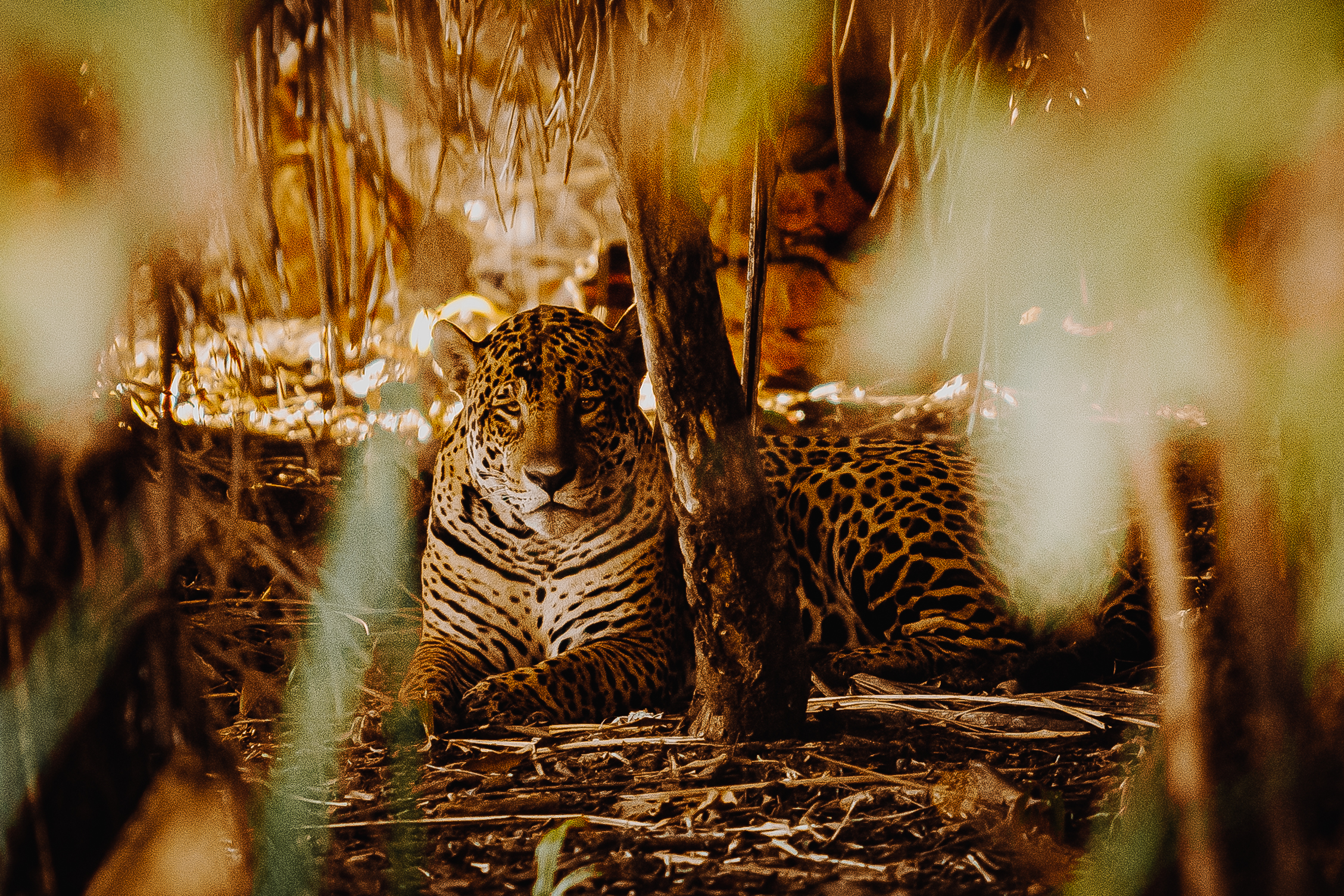
A jaguar rests in the shade in the Pantanal Matogrossense, the best destination in the world to observe this iconic predator in its natural habitat.
Specialist in ecotourism, the startup PlanetaEXO presents unique destinations for sustainable travel next year.
SÃO PAULO, SP, BRAZIL, December 16, 2024 / EINPresswire.com / -- Brazil is home to 75 national parks, each preserving vital ecosystems and offering unparalleled opportunities for adventure. From the historic Itatiaia National Park, created in 1937, to the newly established Serra do Teixeira National Park in 2023, these parks reflect the country's commitment to
environmental conservation and the appreciation of its natural heritage.In addition to their ecological importance, these parks are extraordinary ecotourism destinations, inviting travelers to explore serene beaches, stunning waterfalls, ancient caves and vibrant coral reefs. While iconic locations such as Tijuca National Park in Rio de Janeiro and Iguaçu National Park in Paraná attract millions of visitors annually, PlanetaEXO has curated a list of lesser-visited treasures in Brazil, perfect for adventurers looking for experiences off the beaten path in 2025. Check them out:
LENÇÓIS MARANHENSES NATIONAL PARK (MA)
Covering an area of 155,000 hectares in the state of Maranhão, the park’s stunning white sand dunes and rainwater lagoons create an ever-changing landscape that seems to have come from another world. Protecting rivers, mangroves and beaches, the park is internationally recognized, including being granted the title of Natural World Heritage Site by UNESCO.
Why visit? As the largest dune field in South America, Lençóis Maranhenses offers peaceful walks, stunning photography opportunities and a mesmerizing mix of dunes and lagoons that change with the seasons.
SERRA DA CAPIVARA NATIONAL PARK (PI)
In Piauí, this UNESCO World Heritage Site covers 130,000 hectares and has more than 400 archaeological sites with cave paintings – some of which are over 10,000 years old. Canyons and cliffs make Serra da Capivara a true treasure trove for those interested in history.
Why visit? Explore the largest collection of cave paintings on the planet, admire beautiful landscapes and have moments of deep connection with the beginnings of human history in South America.
JAÚ NATIONAL PARK (AM)
The largest protected area in the Amazon, Jaú covers 2,272,000 hectares of Amazon rainforest . The park offers jungle hikes, wildlife watching and visits to prehistoric petroglyphs.
Why visit? Immerse yourself in the exceptional biodiversity of the Amazon in wonderful and almost untouched landscapes that preserve Neolithic relics and an incomparable natural wealth over the centuries.
FERNANDO DE NORONHA MARINE NATIONAL PARK (PE)
Off the coast of Pernambuco, the archipelago covers approximately 11,000 hectares. It is a paradise of coral reefs, marine life and idyllic beaches. The limited number of visitors preserves the natural beauty of Noronha, with special emphasis on Baía do Sancho, which has been voted the best beach in the world several times.
Why visit? Ideal for aquatic adventures such as snorkeling and diving , it is also one of the locations of the Tamar Project, which protects sea turtles and invites visitors to learn about conservation.
CHAPADA DIAMANTINA NATIONAL PARK (BA)
Located in Bahia, the 152,000-hectare park delights visitors with waterfalls, natural wells and numerous hiking trails. Highlights include the iconic Pati Valley hike and Poço Azul, an underground lake with blue waters illuminated by sunlight.
Why visit? Perfect for those seeking adventure, Chapada Diamantina offers trekking, cave exploration and natural pools surrounded by lush landscapes.
PANTANAL MATOGROSSENSE NATIONAL PARK (MT/MS)
Covering 135,000 hectares in Mato Grosso and Mato Grosso do Sul, this marshy paradise is an important area of biodiversity, home to jaguars, capybaras and hundreds of bird species.
Why visit? Great for wildlife enthusiasts, the park offers photo safaris, night walks and opportunities to enjoy the unparalleled natural beauty of the Pantanal.
CHAPADA DOS VEADEIROS NATIONAL PARK (GO)
In Goiás, the 240,000-hectare park features waterfalls, quartz formations and hiking trails of all difficulty levels. The serene and spiritual atmosphere makes Chapada dos Veadeiros a favorite spot among hikers.
Why visit? Discover more than 2,000 waterfalls, explore trails and feel the mystical energy of the quartz crystals that exist here.
SERRA DOS ÓRGÃOS NATIONAL PARK (RJ)
The 20,000-hectare park in Rio de Janeiro is a haven for climbers and hikers. There are 200 kilometers of trails and iconic peaks, such as the famous Dedo de Deus.
Why visit? Thrill-seekers love the Serra dos Órgãos’ demanding but rewarding hikes, which offer spectacular views and immersion in nature.
MOUNT RORAIMA NATIONAL PARK (RR)
On the triple border of Brazil, Venezuela and Guyana, Mount Roraima is a geological wonder that is on the bucket list of many climbers and hikers. Its cliffs are almost 2,900 meters high.
Why visit? Experience one of the oldest rock formations on Earth, shrouded in mystery, breathtaking cliffs and unique ecosystems.
ABROLHOS MARINE NATIONAL PARK (BA)
This 88,000-hectare aquatic sanctuary along the Bahia coast is famous for its coral reefs, abundant marine life and sightings of humpback whales.
Why visit? Between July and November, the park becomes a privileged location for whale watching, snorkeling and diving amid underwater ecosystems.
ABOUT PLANETAEXO
PlanetaEXO is an ecotourism platform dedicated to connecting travelers from around the world to sustainable and authentic experiences in Brazil. Committed to supporting local communities and protecting the environment, PlanetaEXO promotes tourism as a transformative force for conservation and sustainable development. Learn more at: https://planetaexo.com/pt

No comments:
Post a Comment